Septic Care & Maintenance
Simple habits and scheduled service keep your tank and leaching bed working for decades.
Private septic systems treat all wastewater on your property. Regular care costs far less than emergency repairs or a new leaching bed.
Pump on schedule
Have sludge and scum measured during routine pumping—most Ontario homes need service every 3–5 years. See our pumping frequency guide.
Manage water use
Fix leaks, spread laundry loads, and avoid sending softener backwash into the tank without professional advice. Less water stress means a longer-lasting leaching bed.
Protect the leaching bed
No driving, heavy structures, or deep roots on the bed. Keep roof runoff and sump discharge away from the area. Leaching bed care tips
Inspect when it matters
Schedule inspections before buying a property, after major renovations, or when you notice odours, slow drains, or wet spots over the bed.
What leads to system failure
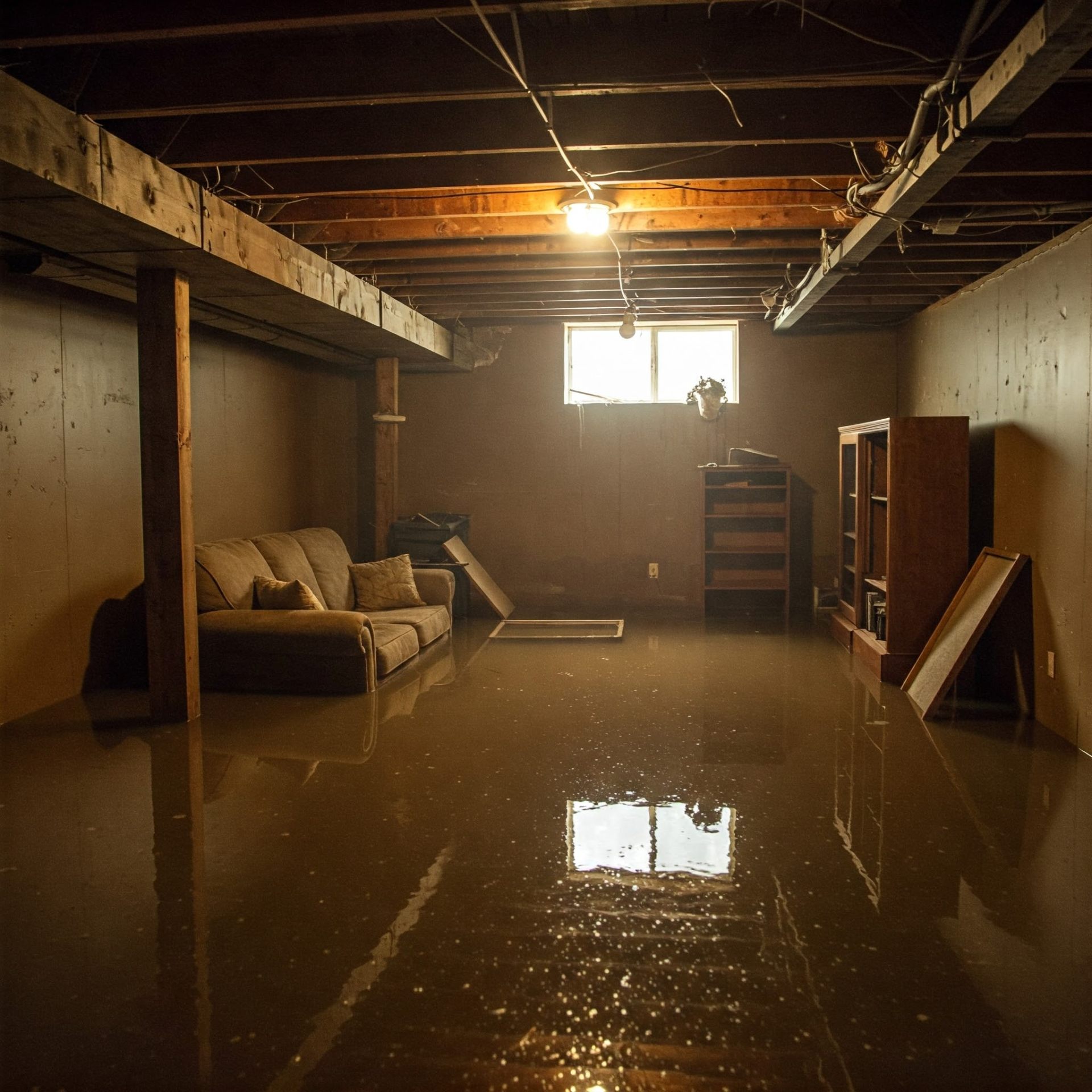
Most failures are preventable. Address these risks before you see sewage in the yard or backups in the basement.
Infrequent pumping
Solids that are not removed can reach the leaching bed, clog soil pores, and cause backups into the home.
Hydraulic overload
Large households, leaking fixtures, and wet seasons raise the water table—overwhelming the tank and bed when use is not managed.
Trees and roots
Roots seek moisture in tanks, pipes, and distribution lines, blocking flow and damaging components.
Driving over the bed
Compaction and crushed pipes reduce treatment capacity and can cause surfacing effluent.
Grease, wipes, and chemicals
Harsh cleaners and improper flushing harm tank bacteria and pipes. What not to put down the drain